Language Preservation Initiative for Foundation Phase Learners
(Grade R to Grade 5)

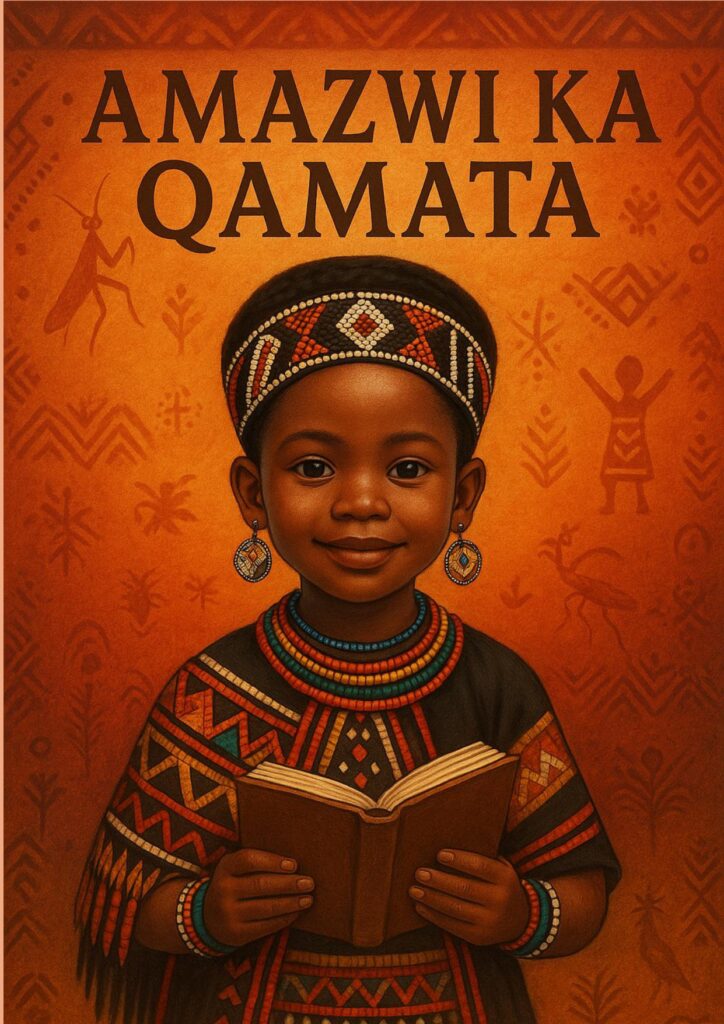
Amazwi KaQamata

The Amazwi ka Qamata program seeks to revitalize and preserve South Africa’s indigenous languages by offering a tutoring service that specifically focuses on mother tongue languages for foundation phase learners.

Amazwi kaQamata
amazwi kaqamata

Reviving Language, Reclaiming Identity

Language is more than communicationโ€”it’s a vessel of culture, identity, and heritage. In South Africa, many indigenous languages are at risk as younger generations shift toward global languages. Amazwi ka Qamata, meaning “The Words of God,” is a mother tongue tutoring service inspired by a six-year-old named Qamata and rooted in the belief that early education is key to cultural preservation.

This initiative focuses on foundation phase learners (Grade Rโ€“5), embedding indigenous knowledge, values, and perspectives into their learning journey. By using culturally responsive teaching, Amazwi ka Qamata aims to decolonize education and empower children to connect deeply with their heritage.

The goal is clear: to make indigenous language and knowledge a respected, central part of educationโ€”not an afterthought. As the founder says, 
โ€œMay we raise our babies with our indigenous love, rather than with our colonial pain.โ€

Program Scope
The Amazwi ka Qamata program focuses on mother tongue language tutoring for foundation phase learners (Grade R to Grade 5) across various South African communities. The tutoring service will provide in-person and online sessions tailored to the linguistic needs of the learners, based on their home language, ensuring that no child is left behind in their educational journey.
The program offers tutoring in the following languages:
isiZulu, isiXhosa, SeSotho, Setswana, Xitsonga, Tshivenda

Program Objectives

To preserve and promote South Africa’s indigenous languages by offering targeted, high-quality language tutoring services to foundation phase learners (Grade R to Grade 5).

To improve literacy and language skills in the mother tongue of learners, enhancing their ability to learn in their native language, particularly in early childhood education.

To foster cultural identity by helping learners connect with their heritage through language.

To provide accessible and engaging language learning resources tailored to the unique needs of each child, supporting them in their academic and personal growth.

To create a sustainable framework for language preservation by training educators and involving communities in language revitalization efforts.
Project

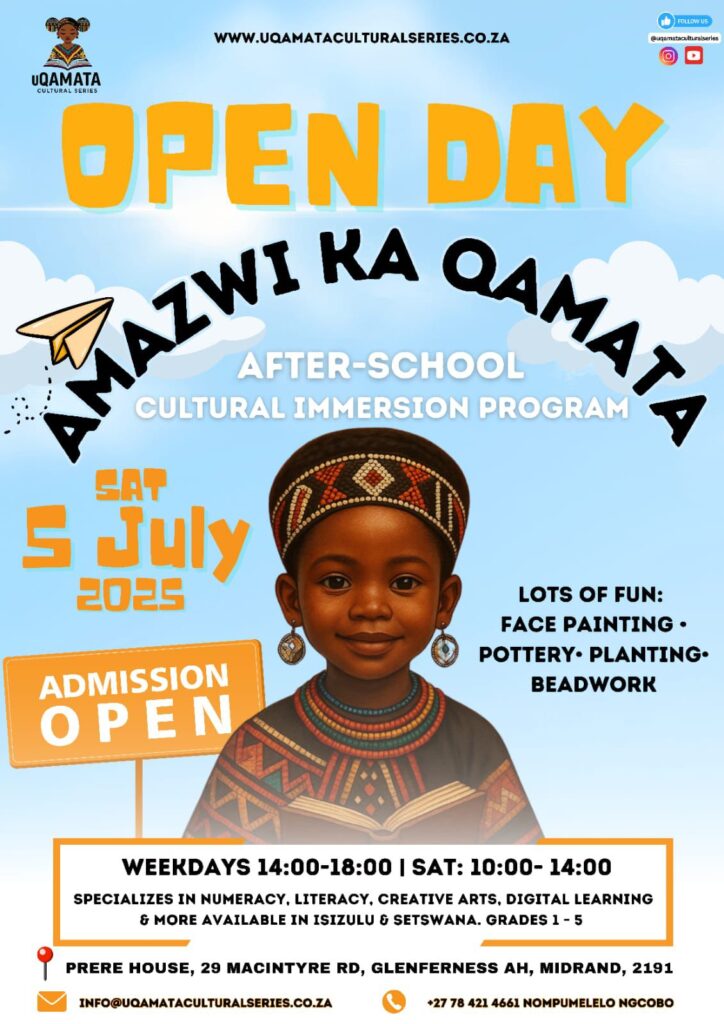
Amazwi kaQamata Open Day Poster

๐ŸŽ‰ Join Us for the Amazwi kaQamata Open Day! ๐ŸŽ‰

Are you looking for an engaging, fun, and culturally rich after-school program for your child? Come explore Amazwi kaQamata, our vibrant After-School Cultural Immersion Program, at our Open Day on:

  • ๐Ÿ“… Date: Saturday, 5 July 2025
  • ๐Ÿ•™ Time: 10:00 โ€“ 14:00
  • ๐Ÿ“ Venue: Prere House, 29 Macintyre Rd, Glenferness AH, Midrand, 2191

โœจ Whatโ€™s in store?

  • ๐ŸŽจ Face Painting
  • ๐Ÿบ Pottery
  • ๐ŸŒฑ Planting
  • ๐Ÿ“ฟ Beadwork

๐Ÿง  Program Highlights:

  • Numeracy & Literacy
  • Creative Arts & Digital Learning
  • Available in IsiZulu & Setswana
  • Designed for Grades 1 โ€“ 5

๐Ÿ•’ Weekly Schedule:
Weekdays: 14:00 โ€“ 18:00
Saturdays: 10:00 โ€“ 14:00

๐Ÿ“ฌ Admission is now OPEN!
Come meet the team, view the space, and register your child for a journey of cultural pride and creative learning.

๐Ÿ“ž Contact Us

After School Language and Cultural Immersion Program.

Complet contact form to get more information on this program
– Grade R – Grade 5
– Week Days: 14:30 to 16:30
– Saturadys: 10:00 to 14:00

Email

info@uqamataculturalseries.co.za

Name
Email
What Grade is Your Child in?
Message
The form has been submitted successfully!
There has been some error while submitting the form. Please verify all form fields again.
Contact us today to learn more about the Amazwi ka Qamata tutoring program. Letโ€™s work together to nurture pride, identity, and knowledge through indigenous language education.
Scroll to Top